



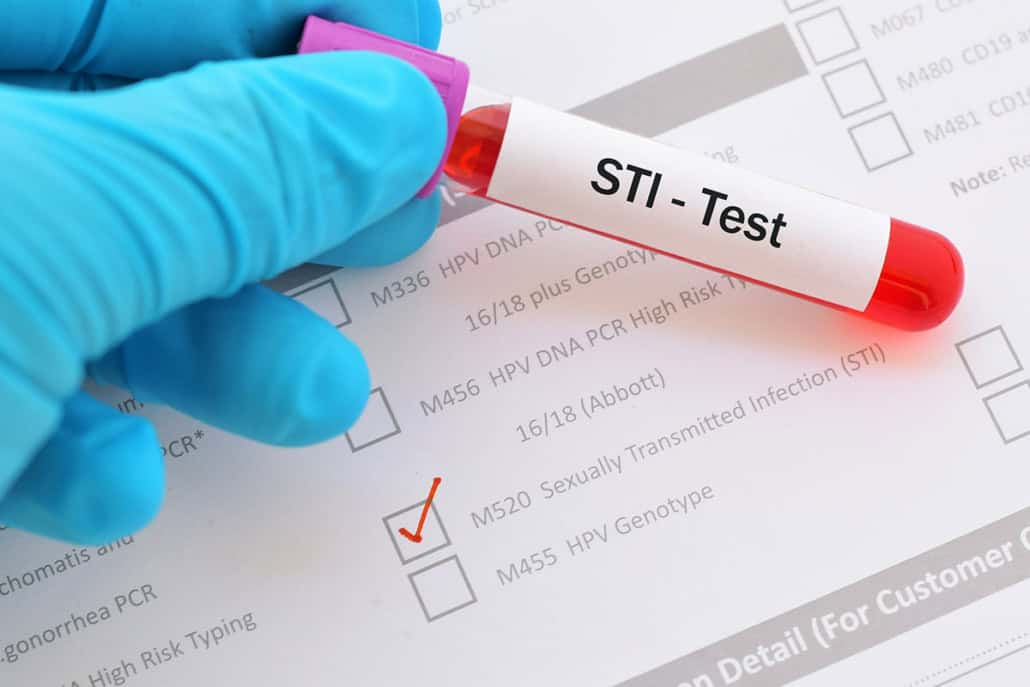
Sexually transmitted infections, commonly known as STIs, are infections transmitted through sexual contact. The term sexually transmitted diseases, or STDs, is also widely used. STI is a broader term because a person can carry and transmit an infection without showing symptoms.
STIs can affect anyone, regardless of gender or relationship status. Some infections cause noticeable symptoms, while others remain silent. Testing is therefore important after potential exposure or when symptoms appear.
What Are Sexually Transmitted Infections?
STIs may be caused by bacteria, viruses, fungi, or parasites. Transmission can occur through vaginal, anal, or oral sex. Some infections can also spread through skin-to-skin contact around the genital area, or from mother to baby during pregnancy or childbirth.
The risk of infection may increase when a person:
- Does not use a condom during sexual intercourse
- Has multiple sexual partners
- Has a partner with a known or unknown STI
- Does not get tested after potential exposure
- Ignores symptoms in themselves or their partner
Not every STI causes symptoms immediately. A person may look and feel healthy while still carrying and transmitting an infection.
Common STI Symptoms
Symptoms vary depending on the type of infection and the area affected.
Symptoms in men
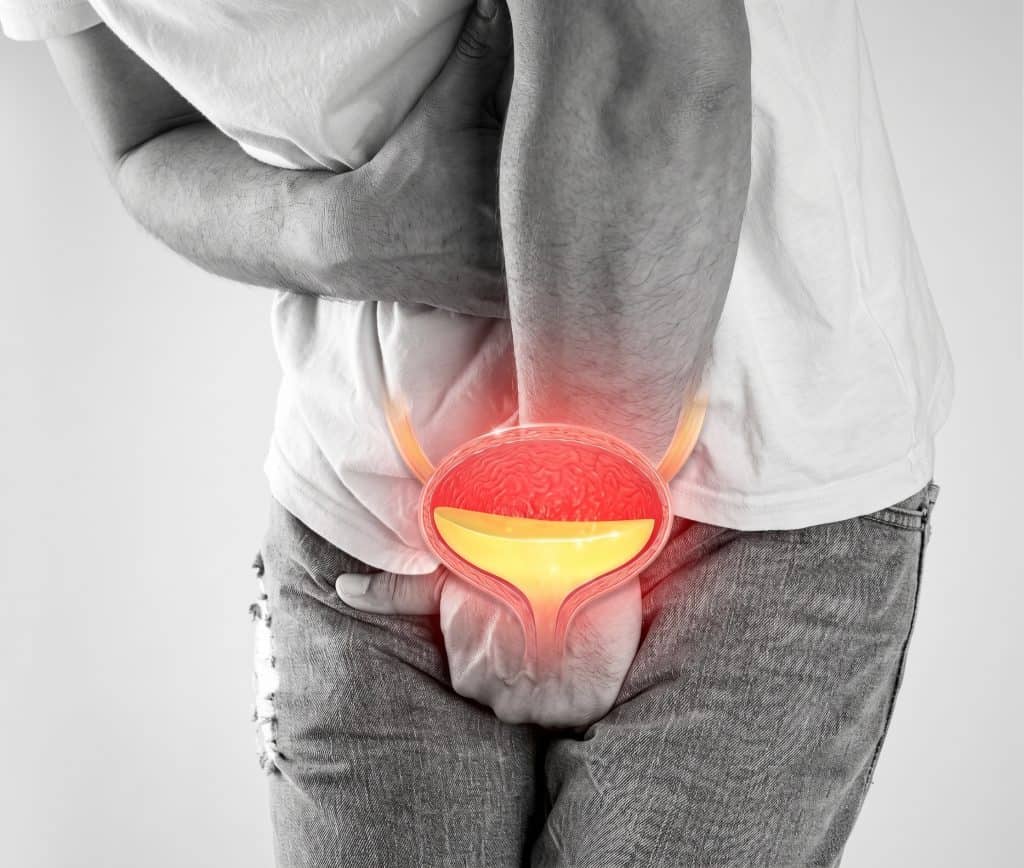
- Painful sensation during urination
- Burning sensation during urination
- Discharge from the penis
- Redness or irritation around the penis
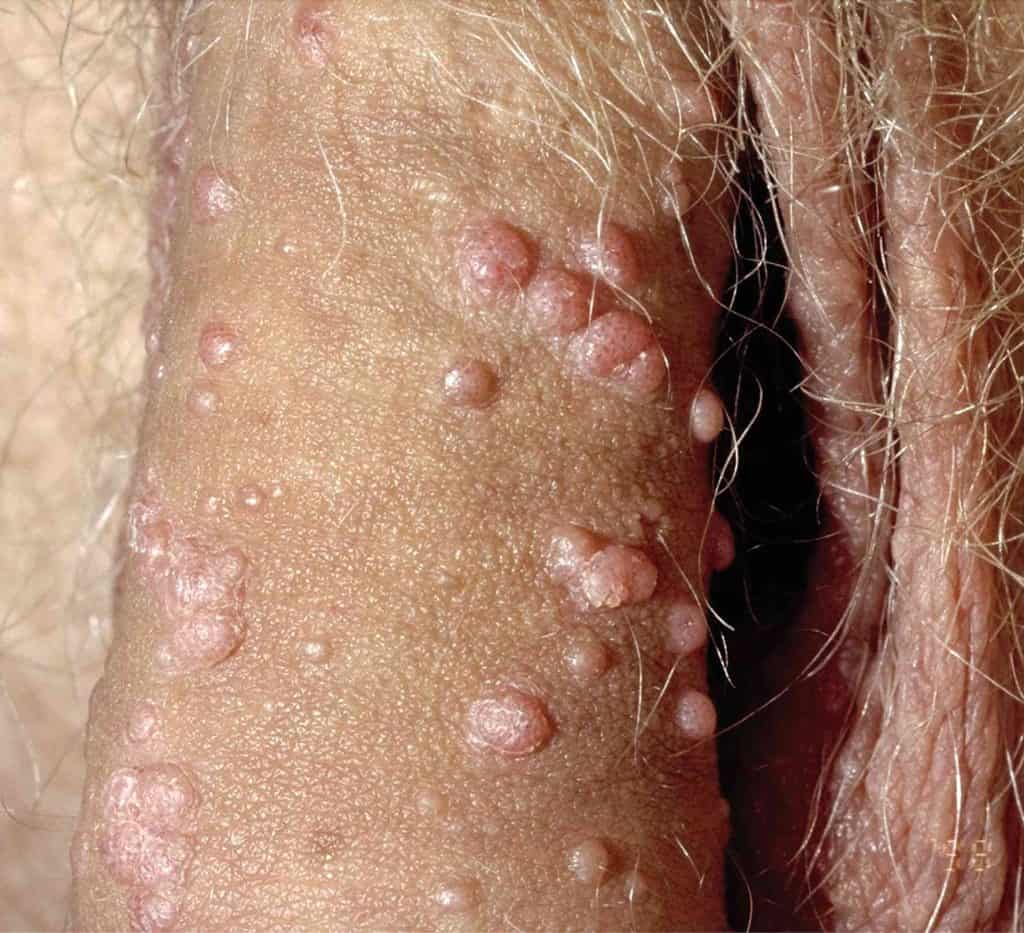
- Sores, blisters, or bumps around the genitals
- Warts on the penis or around the anus
- Testicular pain
- Painful ejaculation
- Swollen lymph nodes in the groin
Symptoms in women
- Vaginal discharge that changes in color, amount, or odor
- Unusual vaginal discharge
- Vaginal itching or irritation
- Burning sensation during urination
- Pain during sexual intercourse
- Bleeding between menstrual periods
- Pelvic pain
- Genital sores, blisters, or warts
General symptoms
Some infections may also cause fever, fatigue, body aches, rashes, or swollen lymph nodes. However, the absence of symptoms does not mean that a person is free from an STI.
Common Types of STIs
Gonorrhea
Gonorrhea is caused by the bacterium Neisseria gonorrhoeae. In men, it may cause a burning sensation during urination and white, yellow, or green discharge from the penis. In women, symptoms may be mild or absent.
Untreated gonorrhea can cause complications involving the reproductive organs and may increase the risk of HIV transmission.
Chlamydia
Chlamydia is caused by Chlamydia trachomatis. It often causes no symptoms. When symptoms occur, they may include painful urination, discharge from the penis or vagina, pelvic pain, and testicular pain.
Untreated chlamydia may affect fertility and cause complications in the reproductive system.
Syphilis
Syphilis is caused by Treponema pallidum. It can progress through several stages. Early syphilis may cause a sore that is not always painful. Later stages may involve rashes, fever, or swollen lymph nodes.

Without treatment, syphilis can affect the brain, nerves, heart, and blood vessels.
Genital herpes
Herpes is caused by the herpes simplex virus, mainly HSV-1 or HSV-2. Symptoms may include painful blisters or sores, itching, burning, and painful urination when lesions are located near the urinary opening.
Herpes can remain in the body and reactivate. Treatment can help reduce symptoms and lower the risk of transmission.
HPV and genital warts
Human papillomavirus, or HPV, is a group of viruses that can cause genital warts. Warts may appear as small bumps, clusters, or cauliflower-like growths.
Certain types of HPV are also associated with cervical, anal, penile, throat, and other genital cancers. Condyloma is a medical term commonly used for genital warts caused by HPV.
Trichomoniasis
Trichomoniasis is caused by the parasite Trichomonas vaginalis. In women, it may cause unusual vaginal discharge, odor, itching, and painful urination. In men, it may cause irritation or burning after urination or ejaculation.
Hepatitis B
Hepatitis B is caused by the Hepatitis B virus and can be transmitted through sexual contact. It primarily affects the liver. Some people have no symptoms, while others may experience fatigue, nausea, abdominal pain, dark urine, or yellowing of the skin and eyes.
Hepatitis B can be prevented with the Hepatitis B vaccine.
How Are STIs Diagnosed?
The appropriate tests depend on the symptoms, medical history, and possible exposure. A doctor may recommend the following:
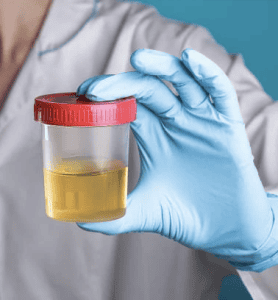
Urine analysis
A urine analysis can help identify signs of inflammation, infection, blood, and other changes in the urine. It may be part of the initial assessment for painful or burning urination.
Urine culture
A urine culture helps identify bacteria that may be causing an infection and may help guide antibiotic selection. It can be recommended in specific situations when a bacterial infection is suspected.

STI PCR panel
An STI PCR panel uses molecular testing to detect genetic material from microorganisms that cause STIs. At ELYSIUM Clinic and The Alpha Male by Dr. Dimas, Jakarta, the STI PCR panel has high sensitivity and can detect 13 different sexually transmitted infections, including:
- Chlamydia
- Gonorrhea
- Mycoplasma
- Herpes simplex virus 1 and 2, or HSV-1 and HSV-2
- Treponema pallidum, the bacterium that causes syphilis
- Trichomonas
- Ureaplasma
- Haemophilus
- Candida
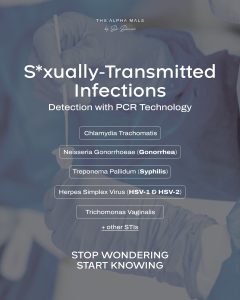
Additional tests, such as blood tests for syphilis, HIV, or Hepatitis B, may be recommended when appropriate. Accurate testing helps determine the most suitable treatment.
How Are STIs Treated?
Treatment depends on the cause of the infection. Avoid self-medicating because not every STI is caused by bacteria.
Bacterial infections
Infections such as gonorrhea, chlamydia, and syphilis may require antibiotics. Depending on the infection and the patient’s condition, treatment may include oral medication or an antibiotic injection.
Antibiotics should be taken exactly as prescribed. Stopping treatment too early or using the wrong antibiotic may allow the infection to persist and increase the risk of antibiotic resistance.
Viral infections
Genital herpes may be treated with antiviral medication to help reduce the severity or duration of symptoms. Genital warts and certain lesions can be managed with medical procedures, such as cauterization or excision of lesions.
Fungal and parasitic infections
Infections such as candidiasis or trichomoniasis require appropriate antifungal or antiparasitic medication. Accurate diagnosis is important because different STIs can cause similar symptoms.
Sexual partners may also need testing or treatment. During treatment, avoid sexual contact until your doctor confirms that it is safe to resume activity.
How Can STIs Be Prevented?
The following measures can help reduce the risk of infection:
- Use condoms consistently and correctly
- Avoid sexual contact when sores, blisters, warts, or unusual discharge are present
- Get tested after potential exposure
- Share relevant medical and sexual health information with your doctor
- Consider the HPV vaccine
- Consider the Hepatitis B vaccine
- Do not share needles or equipment that may be contaminated with blood
- Complete the prescribed treatment
- Encourage partners to get tested when appropriate
Condoms can significantly reduce the risk of many STIs, but they may not provide complete protection against infections transmitted through skin contact outside the area covered by the condom, such as HPV and herpes.
When Should You See a Doctor?
Seek medical advice if you experience:
- Painful sensation during urination
- Burning sensation during urination
- Discharge from the penis
- Unusual vaginal discharge
- Sores, blisters, or warts around the genitals
- Pelvic, testicular, or genital pain
- Painful ejaculation
- Sexual intercourse without a condom with a new partner or a partner whose STI status is unknown
Do not wait for symptoms to become more severe. Some STIs remain silent while still causing complications or being transmitted to a partner.
Get the Right Testing and Treatment
STIs can often be managed effectively when they are diagnosed and treated appropriately. ELYSIUM Clinic and The Alpha Male by Dr. Dimas, Jakarta, provide confidential consultations, medical evaluation, urine analysis, urine culture, and a high-sensitivity STI PCR panel to help detect multiple causes of infection.
Schedule a confidential consultation with a doctor to receive the appropriate examination and treatment for your condition.
The information in this article is for educational purposes only and does not replace an in-person medical consultation.
References:
- Garcia MR, Leslie SW, Wray AA. Sexually Transmitted Infections. [Updated 2024 Apr 20]. In: StatPearls [Internet]. Treasure Island, FL: StatPearls Publishing; 2026 Jan–. Available from: https://www.ncbi.nlm.nih.gov/books/NBK560808/.
- World Health Organization. Sexually Transmitted Infections. [Updated 2025 Sep 10]. Available from: https://www.who.int/news-room/fact-sheets/detail/sexually-transmitted-infections-%28stis%29.