



For men who are certain that they do not want to have children in the future, vasectomy may be an effective option for permanent contraception. The procedure works by cutting and sealing the tubes that carry sperm, so sperm no longer enters the semen during ejaculation.
If you are searching for vasectomy Jakarta, a vasectomy clinic in Jakarta, or a urologist for vasectomy, understanding the procedure can help you make a well-informed decision.
What Is a Vasectomy?
A vasectomy is a male contraceptive procedure intended to provide permanent sterility. During the procedure, the doctor cuts, removes, or seals a small section of both sperm-carrying tubes, known as the vas deferens.
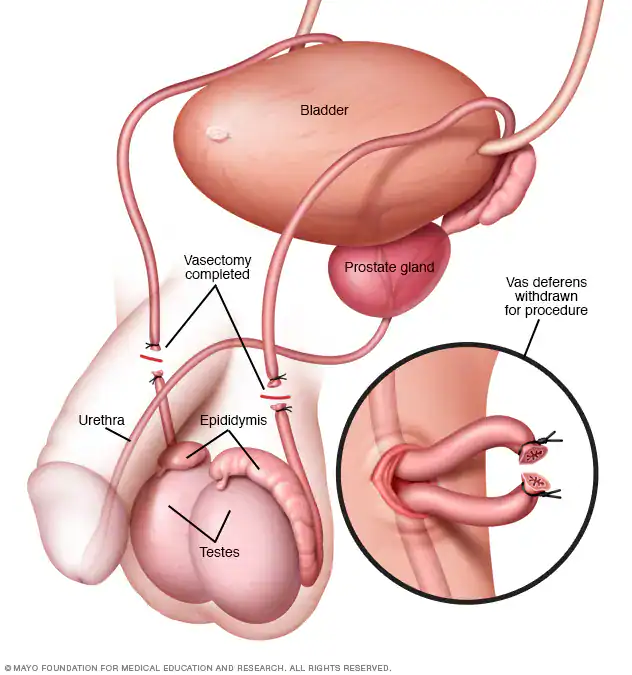
After a vasectomy:
- Sperm no longer enters the semen
- Erections can still occur
- Ejaculation can still occur
- Testosterone production generally remains unchanged
- Sexual desire generally remains unchanged
- The testicles continue to produce sperm and testosterone
- Semen is still released, although it does not contain sperm after sterility has been confirmed through testing
Vasectomy does not remove masculinity or eliminate sexual function.
How Does a Vasectomy Work?
Sperm is produced in the testicles and travels through the vas deferens. During a vasectomy, the doctor interrupts and seals these tubes. As a result, sperm cannot reach the semen.
The body continues to produce sperm, but the sperm is naturally reabsorbed. Vasectomy does not reduce testosterone because testosterone enters the bloodstream through the normal function of the testicles, not through the sperm ducts.
Does a Vasectomy Make You Immediately Sterile?
No. A vasectomy does not provide immediate sterility.
Sperm may remain in the reproductive tract above the area where the tubes were interrupted. It takes time and a number of ejaculations for the remaining sperm to clear.
A post-vasectomy semen analysis is required to confirm that no sperm, or only a level considered safe by current medical criteria, remains in the semen. Semen analysis testing is usually performed at least 12 weeks after the procedure and after a specified number of ejaculations.
Continue using another form of contraception until your doctor confirms that it is safe to stop.
How Effective Is Vasectomy?
Vasectomy is one of the most effective forms of male contraception. However, no procedure has a zero risk of failure.
Early failure may occur if sperm is still present in the semen after the procedure. In rare cases, the two ends of the vas deferens may reconnect after a patient has already been confirmed as sperm-free.
The British Association of Urological Surgeons (BAUS) reports that late failure caused by reconnection may occur in approximately 1 in 2,000 men. This is why post-vasectomy semen analysis remains an essential part of the process.
Does Vasectomy Affect Erections or Ejaculation?
Vasectomy generally does not cause:
- Loss of erectile function
- Reduced testosterone levels
- Loss of sexual desire
- Loss of orgasmic sensation
- Permanent loss of ejaculation
Semen is mainly produced by the prostate and seminal vesicles. Sperm represents only a small proportion of semen volume, so most men do not notice a visible change after vasectomy.
Vasectomy also does not protect against sexually transmitted infections. Condoms may still be necessary to reduce the risk of STI transmission.
Who May Consider a Vasectomy?
Vasectomy may be considered by men who:
- Are certain that they do not want children in the future
- Want a permanent contraceptive method
- Have personal, family, or medical reasons for choosing permanent contraception
- Want a highly effective male contraceptive option
- Understand that vasectomy should be considered permanent
Vasectomy may not be suitable for someone who is uncertain about future fertility. Although vasectomy reversal is possible in some cases, success cannot be guaranteed.
The decision should be made after consultation with a urologist and, when appropriate, discussion with your partner.
Can a Vasectomy Be Reversed?
A vasectomy should be considered permanent. A reconstructive procedure known as vasectomy reversal may be possible in selected cases, but it is not guaranteed to restore fertility.
The outcome may depend on:
- The time since the original vasectomy
- The technique used during the original procedure
- The condition of the sperm ducts
- The fertility of the partner
- Other reproductive factors
For this reason, men should not undergo vasectomy with the assumption that it can simply be reversed later.
How Is a Vasectomy Performed?
Before the procedure, the doctor will generally:
- Review your medical history and current medication
- Perform a physical examination
- Explain the procedure, benefits, limitations, and risks
- Confirm that your decision is voluntary and well-informed
- Determine the most appropriate anesthesia
Vasectomy may be performed under local anesthesia or general anesthesia, depending on the patient’s condition and the doctor’s assessment.
In general, the doctor will:
- Create a small access point in the scrotal skin
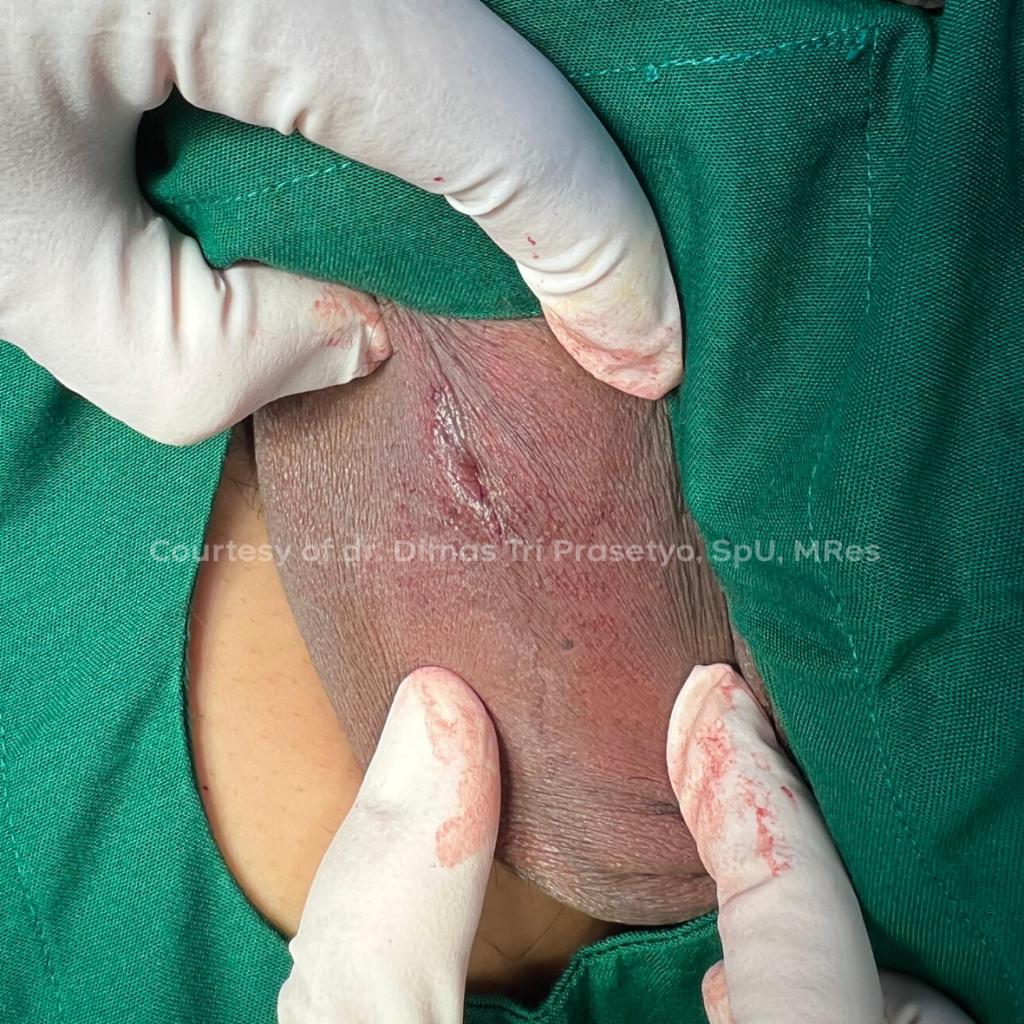
Figure 1. Ultra-small size of surgical site on no-scalpel vasectomy.

Figure 2. Invisible scar, 1 week after procedure.
- Identify both vas deferens
- Cut or remove a small section of each tube
- Seal the ends to reduce the risk of reconnection
- Close the access points as needed
The exact technique and duration may vary depending on the patient’s anatomy and the method used by the urologist.
What Can You Expect After a Vasectomy?
Temporary symptoms may include:
- Mild bruising
- Swelling of the scrotum
- Discomfort
- Mild pain for several days
- Clear fluid around the wound
- A small amount of blood in the semen during the first few ejaculations
These symptoms usually improve gradually. Your doctor may provide instructions regarding pain relief, cold compresses, supportive underwear, and activity restrictions.
Contact your doctor if pain, swelling, redness, or fever becomes worse, or if you notice signs of infection.
Possible Risks of Vasectomy
As with any medical procedure, vasectomy carries potential risks, including:
- Bruising and swelling
- Bleeding or hematoma
- Infection
- Inflammation of the testicle or epididymis
- Persistent testicular pain
- Early failure because sperm is still present
- Late failure caused by reconnection of the vas deferens
Recovery After Vasectomy
Your doctor will provide personalized recovery instructions. General advice may include:
- Avoid strenuous activity during the early recovery period
- Wear supportive underwear
- Use cold compresses if recommended
- Take prescribed medication as directed
- Keep the procedure area clean and dry according to instructions
- Avoid sexual activity or ejaculation for the recommended period
- Continue using another contraceptive method until sterility is confirmed
The time required before returning to work depends on your occupation and recovery. Physically demanding work may require more recovery time than desk-based work.
Does Vasectomy Increase the Risk of Cancer?
There is no evidence that vasectomy causes long-term health problems such as testicular cancer or prostate cancer.
However, every patient should discuss the benefits, limitations, and potential risks of vasectomy based on their individual medical circumstances.
Vasectomy Jakarta: Why Is a Urology Consultation Important?
If you are searching for vasectomy in Jakarta, choosing a provider should involve more than location or price. Consider a clinic that offers:
- Consultation with a qualified urologist
- A thorough explanation before the procedure
- Medical evaluation before treatment
- Appropriate clinical standards
- Clear recovery instructions
- Post-vasectomy semen analysis
- Privacy and confidentiality
The Alpha Male by Dr. Dimas provides men’s health services, including consultations for vasectomy in Jakarta. A urologist can help you understand whether vasectomy is appropriate for your reproductive goals and medical condition.
Questions to Ask Your Urologist
Before undergoing a vasectomy, consider asking:
- Is vasectomy appropriate for my situation?
- What type of anesthesia will be used?
- How long is the expected recovery?
- When can I return to work?
- When can I resume physical activity?
- When should I undergo semen analysis?
- When can I stop using additional contraception?
- What should I do if pain or swelling increases?
- What is my individual risk of failure?
- What alternative contraceptive options are available?
Conclusion
Vasectomy is a highly effective and permanent male contraceptive procedure. It does not stop testosterone production, usually does not affect erectile function, and generally does not interfere with ejaculation or orgasm.
However, the decision should be made carefully. A man is not immediately sterile after the procedure and must continue using contraception until a post-vasectomy semen analysis confirms that it is safe to stop.
If you are searching for vasectomy Jakarta, a vasectomy clinic in Jakarta, or a urologist in Jakarta for vasectomy, a medical consultation is the first step toward making an informed decision.
Schedule a confidential consultation with a urologist at The Alpha Male by Dr. Dimas to discuss your vasectomy options.
This article is for educational purposes and does not replace an in-person medical consultation.
References
- Stormont G, Deibert CM. Vasectomy. [Updated 2025 May 18]. In: StatPearls [Internet]. Treasure Island, FL: StatPearls Publishing; 2026 Jan–. Available from: https://www.ncbi.nlm.nih.gov/books/NBK549904/.
- British Association of Urological Surgeons. Vasectomy. Oct 2024. Available from: https://www.baus.org.uk/_userfiles/pages/files/Patients/Leaflets/Vasectomy.pdf.